11
Editions
100
Outstanding Educational Hours
5000
Attendees
100
Speakers

More info

Ten editions ago, ImplantoDays was just a dream—a vision fueled by the belief that implantology needed more than a stage for presentations. It needed a space where learning meant doing, where experts became mentors, and where innovation was not just discussed but experienced.

We have always believed that progress comes from dedication, authenticity, and the courage to push boundaries. From day one, our mission has been clear: to create a learning experience that is real, immersive, and built for those who never settle for less than excellence.

What began as a small gathering of professionals hungry for more has grown into a movement—a place where knowledge is shared freely, where breakthroughs happen together, and where implantologists at every stage of their journey find not just education, but a community.

To those who have been with us from the start – thank you. Your passion, your trust, and your relentless pursuit of growth have shaped ImplantoDays into what it is today.

To those joining us for the first time – welcome. You are stepping into something bigger than an event. You are becoming part of a legacy of learning, excellence, and innovation.

This 10th edition is about all of us. It’s about honoring the past, embracing the present and shaping the future of implantology – together.

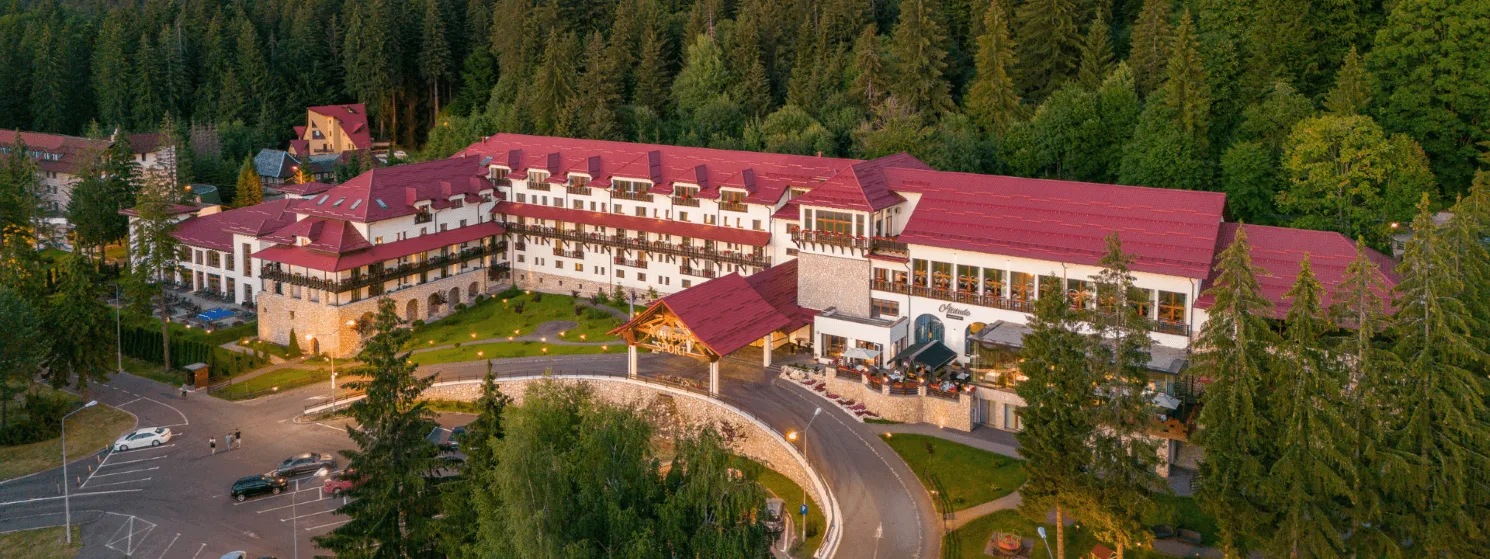
Be part of this journey. Join us in Poiana Brașov, June 5-7, 2025.

Dr. Fernando Duarte

Portugal

Laser protocols to save and place implants

Implant failure is often multifactorial, but bacterial periodontal infections remain one of the most significant risk factors for both early and late implant loss. Post-extraction pathogens have been strongly associated with increased bone resorption, impaired healing, and reduced implant stability, directly influencing the long-term success of implant therapy.

Traditional post-extraction disinfection methods rely primarily on pharmacological agents and surgical interventions. While effective in certain situations, these approaches may involve systemic risks, increased invasiveness, and limited control over the healing environment. As a result, alternative therapeutic solutions that enhance safety and predictability are increasingly explored.

This lecture presents contemporary laser-based protocols designed to support implant placement and implant preservation. Using Er:YAG and Nd:YAG wavelengths, Prof. Duarte will outline clinically validated approaches for degranulation, disinfection, decortication, de-epithelialization, clot stabilization, and photobiomodulation. These protocols aim to optimize healing conditions, reduce bacterial contamination, and improve outcomes in implant placement as well as peri-implantitis management.

Key takeaways:

✔ Understand the role of bacterial periodontal infections as a major risk factor in early and late dental implant failure

✔  Recognize the limitations and risks associated with conventional post-extraction disinfection methods based on drugs and invasive surgical techniques

✔  Learn how laser therapy can be integrated as a safe and effective alternative for infection control and healing optimization

✔  Apply modern laser protocols for degranulation, disinfection, decortication, and de-epithelialization of the post-extraction socket

✔  Stabilize the blood clot and enhance tissue healing through photobiomodulation using Er:YAG and Nd:YAG wavelengths

✔  Implement laser-assisted strategies for the prevention and management of peri-implantitis, improving implant survival and clinical predictability

Dr. Alexandru Spînu

Romania

Complications in Bone Augmentation: The Path to Clinical Success

Bone augmentation procedures are an essential part of modern implant dentistry, yet they remain among the most technique-sensitive interventions in clinical practice. Complications are not exceptions—they are part of the clinical reality. Understanding how and why they occur is fundamental to improving outcomes and reducing failure rates.

This lecture addresses bone regeneration without filters, grounded in scientific evidence and extensive clinical experience. Dr. Spinu focuses on the prevention, early recognition, and management of complications associated with oral implantology, with particular emphasis on horizontal and vertical bone augmentation procedures.

Participants will explore complications related to sinus lifting, inferior alveolar nerve lateralization, and implant placement in regenerated bone. The role of soft tissue grafting in the context of newly formed bone will also be discussed, along with the impact of prosthetic restorations on the long-term stability of bone reconstructions.

By following precise, repeatable clinical protocols, complication rates can be significantly reduced, leading to safer, more predictable regenerative outcomes.

Key takeaways:

✔ Understand the real clinical causes of complications in bone regeneration procedures

✔ Learn evidence-based strategies for preventing and managing complications in horizontal and vertical bone augmentation

✔ Identify risks and management approaches in sinus lifting and inferior alveolar nerve lateralization

✔ Evaluate the role of soft tissue grafting in supporting regenerated bone

✔ Understand the challenges of implant placement in regenerated bone and how to address them

✔ Recognize the impact of prosthetic restorations on the stability and success of bone reconstructions

✔ Apply structured, repeatable protocols to reduce failure rates and improve clinical predictability

Dr. Joseph Kan

SUA

Esthetic Immediate Tooth Replacement with and without socket shield:  Lessons learned over 29 years

Achieving anterior implant esthetics is a challenging procedure.

Understanding the biologic and physiologic limitations of the soft and hard tissue will facilitate predictability in simple to complex esthetic situations. This lecture will focus on current implant treatment philosophies and methodologies for immediate tooth replacement in the esthetic zone. Besides, it will discuss whether socket shield procedure is needed to maintain the implant mucosal profile.

Key takeaways:

✔ Prognostic keys for predictable anterior immediate tooth replacement

✔ Management of socket with compromised facial bone

✔ Connective Tissue Grafts vs Socket Shield: What we know and what we do not know

Dr. Helder Moura

Portugal

Papillary reconstruction: the status quo of interproximal vertical manipulation in implants

The interproximal papilla is a crucial element in both the aesthetic and functional success of implant-supported restorations. Beyond preventing unsightly black triangles, well-preserved papillae enhance patient satisfaction, improve hygiene accessibility, and protect periodontal structures from long-term complications. However, reconstructing papillae around implants remains one of the most challenging aspects of modern implantology.

Join Dr. Ricardo Kern as he explores the latest surgical and non-surgical techniques for interproximal papilla regeneration, addressing both anatomical considerations and clinical innovations. This session will provide evidence-based insights into achieving optimal soft tissue integration and long-term stability.

Key takeaways:

✔ Understand the role of the interproximal papilla in smile harmony and periodontal health
✔ Explore current surgical approaches and vertical manipulation techniques in implantology
✔ Analyze real clinical cases and the latest scientific evidence on papilla reconstruction
✔ Discover how interdisciplinary collaboration enhances treatment outcomes

Dr. Oscar González

Spain

Perio-Prostho approach to treat complications on single implants in the aesthetic zone

Currently, clinical dentistry faces the need to solve complications associated with implant treatment. Peri-implantitis has become a real problem in daily practice, as well as trying to reverse the aesthetic consequences often derived from insufficient surgical/prosthetic planning. Unfortunately, current clinical guidelines for the resolution of these problems are limited and without a solid scientific basis. During the presentation, we will share the experience in treating these situations using an interdisciplinary approach, its limitations, and protocols that help us face these challenges will be presented.

Key takeaways:

✔ To analyze the primary biological and aesthetic complications associated with single implants in the aesthetic zone.

✔  To evaluate the impact of inadequate surgical and prosthetic planning on peri-implant health and aesthetic outcomes.

✔  To review current evidence-based protocols and interdisciplinary approaches for managing peri-implant complications.

✔  To examine the limitations of existing clinical guidelines in addressing aesthetic and biological challenges.

✔  To present clinical cases that highlight the integration of periodontal and prosthodontic strategies to optimize treatment outcomes.

Dr. Ramon Gomez Meda

SUA

The Use of Digital Technologies and New Biomaterials for Bone Augmentation: When, Where and How to Use Them

In recent years, dentistry has seen remarkable advancements in digital technologies and biomaterials, allowing clinicians to virtually plan implant placement in the ideal three-dimensional position. These innovations have also influenced bone augmentation procedures. However, questions remain regarding their universal applicability and scientific validation. This lecture aims to critically evaluate digital workflows and new biomaterials, discussing their advantages, limitations, and clinical indications.

Key takeaways:

✔ Understand the advantages of digitally planning cases with severe bone defects.
✔ Recognize when digital workflows may be time-consuming and not clinically justified.
✔ Learn how to use new biomaterials to reduce treatment time, cost, and patient morbidity

Dr. Cosmin Dima

Romania

Sinus lifting, from basics to advanced, new innovative techniques!

The course will include an incursion into the anatomy of the maxillary sinus. The anthral cavity limits, the vascularization and innervation of the maxillary sinus, as well as the microscopic of the sinus Schneiderian membrane will be detailed.

Subsequently, a synthesis of the sinus pathology will be made and on the basis of the existing bibliography the criteria will be defined by which we can decide when and how we can treat a sinus with pathology and when we cannot.

Very detailed clinical cases will be shown to sustain the theory.

A lot of “tips and tricks“ will be discussed so that we can transform a difficult case in a succes, but maybe the most important thing, the attendees will learn how to end up with predictable safe results.

What you’ll learn:
  • various and very attentive selection of scientific informations, according to the latests studies and publications
  • detailed anatomy description, to prevent complications
  • elaborated synthesis of the pathology of the maxillary sinus
  • very detailed description of every step of the surgical procedure
  • how to choose the materials for safe and predictable results
  • very complex clinical cases to exemplify the theory
  • theoretical and practical details of the new SPAM Technique, described by Dr. Dima
  • tips and tricks for esthetic and predictable outcomes

Dr. Sofia Aroca

France

Can the treatment of gingival recessions and peri-implant tissue dehiscences be approached with the same principles?

Abstract

The management of soft tissues surrounding teeth and dental implants has been extensively investigated in the scientific literature. Concurrently, patient expectations regarding aesthetic outcomes have evolved substantially over the past decade.
A variety of surgical techniques for root coverage are currently available to clinicians. Among these, the trapezoidal coronally advanced flap, the multiple coronally
advanced flap (with or without a connective tissue graft), and the tunnel technique have all demonstrated proven clinical efficacy.
With respect to implant therapy, the management of peri-implant tissue dehiscences and soft-tissue augmentation has received growing attention during the past decade.
Nonetheless, several aspects of these procedures remain controversial and continue to stimulate debate within the scientific community.

This presentation will address several critical questions, including:

  • What is the optimal clinical approach when the root surface to be covered
    exhibits cervical lesions and/or when keratinized mucosa is deficient?
  • Do variations in flap design and configuration influence treatment outcomes in cases of gingival recession and/or peri-implant tissue dehiscence?
  • Which parameters and clinical factors should guide the selection of the most appropriate surgical technique for managing soft-tissue recessions and dehiscences?

Clear, evidence-based conclusions will be drawn from a comprehensive review of the current literature and supported by clinical experience.

Dr. Sofia Aroca grew up partly in South America and partly in Europe. She obtained her high school diploma at the age of 18 in Budapest, Hungary. Then, she completed her university training at Semmelweis University, where she earned her Doctor of Dental Surgery degree.

She began her professional career at the Hospital “La Salpêtrière” in Paris, France, in the Maxillofacial Unit, while simultaneously starting a postgraduate program in Periodontology. Shortly after, she also began managing a private practice.

In 1996, she obtained her degree in Periodontology and Implantology from the University of Paris VII, France. Since then, she has practiced exclusively in the fields of Periodontology and Implantology.

Alongside her private practice, she has remained deeply committed to clinical research, academic teaching, and lecturing worldwide.

She is currently a Visiting Professor in the Department of Periodontology at the University of Bern, Switzerland. In 2011, she was awarded a PhD degree by the University of Szeged, Hungary, and in 2012, she was honoured with an honorary professorship from the same university.

Her dream came true in 2018 when she co-created a Continuing Education and Clinical Research Center in Paris, France. Since 2019, she has been an elected member of the Osteology Expert Council.

Dr. Mihnea Cafadaru

România

Mucogingival Surgery: A Foundation for Success in Perio-Implant Dentistry

Abstract

Long-term success in implant-prosthetic therapy is no longer defined solely by osseointegration, but by the biological, functional, and aesthetic integration of the implant within the dento-periodontal complex. In this context, mucogingival surgery has become an essential component of modern implant dentistry, directly influencing peri-implant tissue stability, maintenance of marginal bone levels, and the predictability of aesthetic outcomes.

This presentation highlights soft tissue management as a true “recipe for success” in implantology — from the assessment of periodontal biotype and keratinized tissue volume to peri-implant soft tissue augmentation and contouring techniques. Contemporary concepts related to mucosal attachment, the peri-implant seal, and the impact of soft tissue thickness on bone stability will be discussed. Through clinical cases, decision-making algorithms and indications for connective tissue grafts, free gingival grafts, coronally advanced flaps, and biotype thickening procedures will be presented, emphasizing the integration of mucogingival surgery into the comprehensive implant-prosthetic treatment plan to prevent biological complications and ensure long-term stability.

Dr. Mihnea Cafadaru graduated from the Victor Babeș University of Medicine and Pharmacy in Timișoara in 2007. Following graduation, he pursued extensive training in oral implantology and periodontology, including a one-year specialization in implant dentistry completed in 2008.

Since then, Dr. Cafadaru has continuously expanded his clinical knowledge and technical skills through advanced education under the guidance of renowned trainers across Europe.

His clinical expertise includes oral implantology, microsurgery, periodontology, oral surgery, endodontics, and prosthodontics. He has developed advanced proficiency in clinical periodontology, dental prosthetics, implant dentistry, and dental microscopy.

In 2013, Dr. Cafadaru founded Dental Clinic Dr. Cafadaru in Arad, a specialized practice focused on oral implantology, dental aesthetics, prosthodontics, and periodontal treatments. In addition to his clinical activity, Dr. Cafadaru actively conducts LIVE OP TRAINING sessions, providing hands-on education for dental professionals in Romania and internationally.

Reserve your seat: “Guided Bone Regeneration: Simple and Predictable” by Dr. Alexandru Spînu

    More info

    Guided Bone Regeneration: Simple and Predictable

    Guided Bone Regeneration (GBR) is a fundamental technique in modern implantology, essential for managing bone defects and ensuring optimal implant placement. In this hands-on workshop, Dr. Alexandru Spînu will guide participants through a step-by-step approach to achieving predictable and long-lasting GBR results.

    This session will focus on practical execution, using different biomaterials and barrier membranes, allowing participants to gain confidence in handling complex cases.

    What You Will Learn:

    – The decision-making process in GBR: When, why, and how to apply it effectively
    Membrane selection – choosing between resorbable and non-resorbable membranes
    Bone graft handling – techniques to optimize stability and integration
    Suturing techniques for tension – free wound closure and predictable healing
    Step-by-step practical exercises on simulated models

    Meet the speaker

    Dr. Alexandru Spînu is a highly regarded specialist in oral surgery and implantology, with a strong focus on Guided Bone Regeneration (GBR) and advanced augmentation techniques. With years of experience in complex bone defect management, he has trained numerous clinicians in mastering predictable, evidence-based GBR protocols.

    Passionate about practical, hands-on education, Dr. Spînu is dedicated to helping professionals refine their surgical techniques, ensuring better long-term outcomes for implant patients. His approach emphasizes simplicity, predictability, and efficiency, making complex procedures more accessible and applicable to daily practice.

    Reserve your seat: “In pursuit of aesthetics: management of complex implant and prosthetic cases” by Dr. Helder Moura

      More info

      Topic: In pursuit of aesthetics: management of complex implant and prosthetic cases

      Abstract: This hands-on will address the restorative challenges of complex implant cases, where achieving aesthetic harmony requires careful planning and interdisciplinary coordination. Strategies will be discussed for managing soft tissue profiles, selecting appropriate prosthetic components, and ensuring long-term stability of the rehabilitation. The overall goal is to support improved outcomes in demanding aesthetic situations.

      The dentists should be able to harvest connective tissue grafts from different sites in the mouth and also be able to do a correct manipulation of the different surgical flaps in order to manage a tension free clousure of the surgical hound.

      They should be able to correctly diagnose extration sockets and the best way to manage in witch situation.
      Pontic sites management with provisionals

      Reserve your seat: ”Soft Tissue Improvement in Implant Dentistry” by Dr. Mihnea Cafadaru

        More info

        Soft Tissue Improvement in Implant Dentistry

        Abstract

        Long-term success in implant-prosthetic therapy is no longer defined solely by osseointegration, but by the biological, functional, and aesthetic integration of the implant within the dento-periodontal complex. In this context, mucogingival surgery has become an essential component of modern implant dentistry, directly influencing peri-implant tissue stability, maintenance of marginal bone levels, and the predictability of aesthetic outcomes.

        This presentation highlights soft tissue management as a true “recipe for success” in implantology — from the assessment of periodontal biotype and keratinized tissue volume to peri-implant soft tissue augmentation and contouring techniques. Contemporary concepts related to mucosal attachment, the peri-implant seal, and the impact of soft tissue thickness on bone stability will be discussed. Through clinical cases, decision-making algorithms and indications for connective tissue grafts, free gingival grafts, coronally advanced flaps, and biotype thickening procedures will be presented, emphasizing the integration of mucogingival surgery into the comprehensive implant-prosthetic treatment plan to prevent biological complications and ensure long-term stability.

        Learning Objectives

        By the end of this workshop, participants will be able to:

        • Understand the role of soft tissues in the long-term success of dental implants
        • Identify clinical situations that require mucogingival augmentation
        • Evaluate gingival biotype and soft tissue volume requirements
        • Apply techniques to increase the thickness and width of keratinized tissue
        • Manage soft tissues during both the surgical and prosthetic phases of treatment
        • Prevent aesthetic and biological complications associated with implant therapy

        Reserve your seat: “Challenging the limits of oral surgery and implantology” by Dr. Fernando Duarte

          More info

          Topic: CHALLENGING THE LIMITS OF ORAL SURGERY AND IMPLANTOLOGY


           Abstract: 

          Alveolar bone and soft tissue remodeling are a normal physiological response following tooth extraction. The resorption process varies amongst patients and tooth anatomic position and may be affected by several factors such as the presence of infection, previous periodontal disease, the extent of a traumatic injury and the number or the thickness of the bony socket walls. An equilibrium is reached approximately 3 to 4 months post-extraction. The clinical consequences of post-extraction remodeling may affect the outcome of the ensuing therapies aimed at restoring the lost dentition, either by limiting the bone availability for ideal implant placement or by compromising the aesthetic result of the prosthetic restorations. Therefore, effective methods of reducing bone loss, accelerating bone healing, and increasing predictability are actively sought. Most studies focus on drugs or surgical techniques although other modalities affecting the healing process have been investigated; among which is the use of laser therapy.

          The laser wavelength and parameters used are of crucial importance; Nd:YAG laser (1064nm) has been found to improve healing after extraction in patients with high risk of osteonecrosis. The Er:YAG laser (2940nm) for degranulation has been studied in periodontal and peri-implant treatments. It seems to promote re-osseointegration on contaminated implant surfaces, and improve haemostasis and disinfection.

          The Er:YAG laser may be safely used in hard and soft tissues due to its high absorption in water, resulting in efficient ablation with minimal thermal effect. This feature of the Er:YAG laser also allows very fine control of ablation depth, which makes it highly suitable for fast and safe de-epithelialization of the extraction socket and the surrounding gingiva. This de-epithelialization prevents ingrowth of epithelium into the socket and at the same time, produces an ablated rough surface, which may enhance retention of the blood clot.

          Laser irradiation of bleeding sockets may facilitate immediate clot formation and hemostasis. Different types of lasers have been used successfully in coagulation to prevent the loss of blood clot from extraction sockets in animal studies, resulting in improved alveolar bone preservation. The Bactericidal effect of laser therapy is considered advantageous for postoperative wound healing once lasers are able to create an intra-operative disinfected field that reduces the risk of infection. In addition, Nd:YAG laser exhibits selective absorption in pigments, that may be particularly relevant for extractions performed due to periodontal disease. Moreover, lasers can ablate or inactivate toxic substances, such as bacterial endotoxins (lipopolysaccharide), which may positively influence wound healing of the treated site.

          Photobiomodulation (PBM) in post extraction healing is well documented; accumulated animal and clinical studies reported that PBM laser therapy induced higher concentration of osteogenesis markers and higher bone density.

          Reserve your seat: “Looking for efficiency: 3D ridge augmentation with simultaneous implant placement” by Dr. Ramon Gomez Meda

            More info

            Looking for Efficiency: 3D Ridge Augmentation with Simultaneous Implant Placement

            Abstract

            Nowadays, bone regeneration has to be implemented quite frequently in the dental office when bone quantity is limited. This is done in order to be able to place implants with a long-term predictable result, avoiding future biological, functional, and aesthetic complications. This lecture is focused on the steps needed to tackle those bone deficit situations and how it is possible, many times, to increase the efficiency of the procedure, reducing morbidity and cost through placing the implants simultaneously with the bone augmentation procedure.

            Aims and leaning objectives:

            This hands-on workshop is designed for the intermediate and advanced clinician. Participants will understand principles of vertical ridge augmentation, indications and limitations, case selection, treatment planning, surgical techniques for flap advancement & primary closure, step-by-step surgical protocol, membrane selection, fixation devices, bone harvesting regions and techniques, postoperative protocol, and immediate implant placement. Hands-on components using a pig mandible will include flap management, implant placement, the use of titanium-reinforced membranes/various biomaterials/fixation devices, and dual-layer primary closure.

            Learning Objectives

            • To understand Soft tissue management for 3D bone augmentation
            • To describe the step by step bone augmentation procedure
            • To learn how to prevent and treat possible complication
            Why You Should Join Us
            • Because your skills deserve to be elevated through hands-on learning
            • Because staying ahead means learning from the best in the field
            • Because real progress happens when you’re part of a strong professional community
            • Because innovation is not just a concept—it’s something you can apply in your practice
            • Because this 10th edition is your chance to grow, connect, and celebrate excellence
            What’s in It for You?
            • Master advanced techniques through practical workshops
            • Refine your clinical approach with expert-led training
            • Expand your professional circle by networking with top specialists
            • Discover the latest innovations shaping implantology today
            • Gain confidence and new skills to improve patient outcomes

            Workshop I Dr. Helder Moura In pursuit of aesthetics: management of complex implant and prosthetic cases

            Workshop II Dr. Fernando Duarte Challenging the limits of oral surgery and implantology

            Workshop III Dr. Ramon Gomez Meda Looking for efficency: 3D ridge aumentation with simultaneous implant placement

            Workshop IV Dr. Alexandru SpînuGuided Bone Regeneration: Simple and Predictable

            Workshop V Dr. Mihnea CafadaruSoft Tissue Improvement in Implant Dentistry

            Dr. Oscar Gonzalez – The Use of Digital Technologies and New Biomaterials for Bone Augmentation: When, Where and How to Use Them

            In recent years, dentistry has seen remarkable advancements in digital technologies and biomaterials, allowing clinicians to virtually plan implant placement in the ideal three-dimensional position. These innovations have also influenced bone augmentation procedures. However, questions remain regarding their universal applicability and scientific validation. This lecture aims to critically evaluate digital workflows and new biomaterials, discussing their advantages, limitations, and clinical indications.

            Learning Objectives:

            • Understand the advantages of digitally planning cases with severe bone defects.

            • Recognize when digital workflows may be time-consuming and not clinically justified.

            • Learn how to use new biomaterials to reduce treatment time, cost, and patient morbidity

            Dr. Mihnea Cafadaru – Mucogingival Surgery: A Foundation for Success in Perio-Implant Dentistry

            This presentation highlights soft tissue management as a true “recipe for success” in implantology — from the assessment of periodontal biotype and keratinized tissue volume to peri-implant soft tissue augmentation and contouring techniques. Contemporary concepts related to mucosal attachment, the peri-implant seal, and the impact of soft tissue thickness on bone stability will be discussed. Through clinical cases, decision-making algorithms and indications for connective tissue grafts, free gingival grafts, coronally advanced flaps, and biotype thickening procedures will be presented, emphasizing the integration of mucogingival surgery into the comprehensive implant-prosthetic treatment plan to prevent biological complications and ensure long-term stability.

            Dr. Joseph Kan – Esthetic Immediate Tooth Replacement with and without socket shield: Lessons learned over 29 years

            Achieving anterior implant esthetics is a challenging procedure.

            Understanding the biologic and physiologic limitations of the soft and hard tissue will facilitate predictability in simple to complex esthetic situations. This lecture will focus on current implant treatment philosophies and methodologies for immediate tooth replacement in the esthetic zone. Besides, it will discuss whether socket shield procedure is needed to maintain the implant mucosal profile.

            Objectives:

            1. Prognostic keys for predictable anterior immediate tooth replacement

            2. Management of socket with compromised facial bone

            3. Connective Tissue Grafts vs Socket Shield: What we know and what we do not know

            Dr. Ramon Gomez Meda The Use of Digital Technologies and New Biomaterials for Bone Augmentation: When, Where and How to Use Them

            Currently, clinical dentistry faces the need to solve complications associated with implant treatment. Peri-implantitis has become a real problem in daily practice, as well as trying to reverse the aesthetic consequences often derived from insufficient surgical/prosthetic planning. Unfortunately, current clinical guidelines for the resolution of these problems are limited and without a solid scientific basis. During the presentation, we will share the experience in treating these situations using an interdisciplinary approach, its limitations, and protocols that help us face these challenges will be presented.

            Objectives:

            • To analyze the primary biological and aesthetic complications associated with single implants in the aesthetic zone.

            • To evaluate the impact of inadequate surgical and prosthetic planning on peri-implant health and aesthetic outcomes.

            • To review current evidence-based protocols and interdisciplinary approaches for managing peri-implant complications.

            • To examine the limitations of existing clinical guidelines in addressing aesthetic and biological challenges.

            • To present clinical cases that highlight the integration of periodontal and prosthodontic strategies to optimize treatment outcomes.

            Dr. Cosmin Dima – Sinus lifting, from basics to advanced, new innovative techniques!

            Sinus lifting, from basics to advanced, new innovative techniques!

            Abstract: The course will include an incursion into the anatomy of the maxillary sinus. The anthral cavity limits, the vascularization and innervation of the maxillary sinus, as well as the microscopic of the sinus Schneiderian membrane will be detailed.

            Subsequently, a synthesis of the sinus pathology will be made and on the basis of the existing bibliography the criteria will be defined by which we can decide when and how we can treat a sinus with pathology and when we cannot.

            Very detailed clinical cases will be shown to sustain the theory.

            A lot of “tips and tricks“ will be discussed so that we can transform a difficult case in a succes, but maybe the most important thing, the attendees will learn how to end up with predictable safe results.

            Learning Objectives:

            – various and very attentive selection of scientific informations, according to the latests studies and publications

            – detailed anatomy description, to prevent complications

            – elaborated synthesis of the pathology of the maxillary sinus

            – very detailed description of every step of the surgical procedure

            – how to choose the materials for safe and predictable results

            – very complex clinical cases to exemplify the theory

            – theoretical and practical details of the new SPAM Technique, described by Dr. Dima

            – tips and tricks for esthetic and predictable outcomes

            Dr. Sofia Aroca – Recesion coverage arround teeth and implants

            Can the treatment of gingival recessions and peri-implant tissue dehiscences be approached with the same principles?
            S.AROCA

            The management of soft tissues surrounding teeth and dental implants has been extensively investigated in the scientific literature. Concurrently, patient expectations regarding aesthetic outcomes have evolved substantially over the past decade.
            A variety of surgical techniques for root coverage are currently available to clinicians. Among these, the trapezoidal coronally advanced flap, the multiple coronally
            advanced flap (with or without a connective tissue graft), and the tunnel technique have all demonstrated proven clinical efficacy.
            With respect to implant therapy, the management of peri-implant tissue dehiscences and soft-tissue augmentation has received growing attention during the past decade.
            Nonetheless, several aspects of these procedures remain controversial and continue to stimulate debate within the scientific community.

            This presentation will address several critical questions, including:

            • What is the optimal clinical approach when the root surface to be covered
              exhibits cervical lesions and/or when keratinized mucosa is deficient?
            • Do variations in flap design and configuration influence treatment outcomes in cases of gingival recession and/or peri-implant tissue dehiscence?
            • Which parameters and clinical factors should guide the selection of the most appropriate surgical technique for managing soft-tissue recessions and dehiscences?

            Clear, evidence-based conclusions will be drawn from a comprehensive review of the current literature and supported by clinical experience.

            Dr. Fernando Duarte – Laser protocols to save and place implants

            Among the different causes for implant failure, most of which being clinical aspects of the implant treatment, medications and health conditions, bacterial periodontal infections have been reported to be a major risk factor for early and late loss of dental implants. In addition to having been associated with the etiology of peri-implantitis and periodontitis, post-extraction periodontal pathogens have been linked to increase in bone loss, reduction in bone healing and implant instability.

            Current methods for post-extraction disinfection of the implant site are mainly based on the use of drugs and surgical techniques, although the pharmacological risk of the former and the invasiveness of the latter have led researchers to seek alternative therapeutic methods which are safer for the patients, and one of them is laser therapy.

            The present lecture outlines new laser protocols consisting of degranulation, disinfection, decortication, de-epithelialization, clot stabilization and photobiomodulation using Er:YAG and Nd:YAG wavelengths to prevent and save peri-implantitis clinical cases

            Dr. Helder Moura – Full-Arch Implant Rehabilitation: Surgical, Prosthetic, and Mucogingival Integration in FP1 Prosthesis

            Full-arch rehabilitation of edentulous patients using osseointegrated implants has become a well-established solution in clinical practice, offering both functional and aesthetic predictability. Proper planning and execution of these cases require a deep understanding of the different prosthetic approaches — FP1, FP2, and FP3 — and their corresponding biological, surgical, and aesthetic considerations. Beyond implant placement and prosthetic design, soft tissue management plays a critical role in long-term success. Mucogingival integration is essential, especially when aiming to replicate natural dentogingival anatomy, as in FP1 restorations. In FP2 and FP3 cases, where partial or total replacement of soft tissues is necessary, careful control of tissue contours and stability is key to achieving harmonious aesthetic outcomes. This presentation provides a practical, evidence-based overview of the core principles behind full-arch implant rehabilitation — from surgical planning to prosthetic execution — while integrating soft tissue techniques that enhance predictability and elevate aesthetic results.

            Dr. Alexandru Spinu – Complications in Bone Augmentation: The Path to Clinical Success

            Bone augmentation procedures are an essential part of modern implant dentistry, yet they remain among the most technique-sensitive interventions in clinical practice. Complications are not exceptions—they are part of the clinical reality. Understanding how and why they occur is fundamental to improving outcomes and reducing failure rates.

            This lecture addresses bone regeneration without filters, grounded in scientific evidence and extensive clinical experience. Dr. Spinu focuses on the prevention, early recognition, and management of complications associated with oral implantology, with particular emphasis on horizontal and vertical bone augmentation procedures.

            Participants will explore complications related to sinus lifting, inferior alveolar nerve lateralization, and implant placement in regenerated bone. The role of soft tissue grafting in the context of newly formed bone will also be discussed, along with the impact of prosthetic restorations on the long-term stability of bone reconstructions.

            By following precise, repeatable clinical protocols, complication rates can be significantly reduced, leading to safer, more predictable regenerative outcomes.

            Key takeaways:

            ✔ Understand the real clinical causes of complications in bone regeneration procedures

            ✔ Learn evidence-based strategies for preventing and managing complications in horizontal and vertical bone augmentation

            ✔ Identify risks and management approaches in sinus lifting and inferior alveolar nerve lateralization

            ✔ Evaluate the role of soft tissue grafting in supporting regenerated bone

            ✔ Understand the challenges of implant placement in regenerated bone and how to address them

            ✔ Recognize the impact of prosthetic restorations on the stability and success of bone reconstructions

            ✔ Apply structured, repeatable protocols to reduce failure rates and improve clinical predictability